
請參見
二手車中古車買賣前如何鑑定檢查1
選購中古車需要仔細檢視,唯有如此才能購買到好的中古車,擔心受騙或買到品質不良之中古車,只好多做功課,或者是直接選購原廠認證中古車。
由此可以得知,中古車其實並沒有所謂標準行情,大致還是屬於你情我願,因此消費者想要購買中古車,也只能依照「推估」標準以及是否喜愛,再來就是車輛狀況而決定了,只要喜歡該車且售價與狀況都在可接受範圍,就會是一筆值得的交易了,畢竟是要讓自己開心而不是找罪受。不過車輛狀況要怎麼看呢,這可就需要一些技巧了,最怕金玉其外敗絮其中,這裡請到Audi技師長教大家如何進行車況初步檢查。
外觀檢測除了看是否有傷痕、凹陷之外,烤漆狀況也是重要參考,包含鈑件色差、車身摺線上的烤漆厚度均勻與否,甚至在接縫處的漆痕垂墜也是觀察重點。
一般來說,購買中古車比較怕遇到事故車、泡水車,車輛是否經過事故除影響使用年限外,當然也影響到價格,而泡水車在零件耐用度上更是大打折扣,不過還是會有些不肖商家不主動告知,藉機賺取更多利潤,因此「別具慧眼」就格外重要了。首先當然就是檢查外觀,除了觀察鈑件損傷、凹陷之外,鈑件烤漆也可以了解車況,尤其車門鈑件烤漆,仔細觀察腰線處的烤漆是否勻稱,細節處的烤漆垂墜度是否一致,甚至顏色是否有差異、漆面是否勻稱等,都能提供相當程度之參考。
打開引擎室可以檢查包含車側葉子板固定螺絲、引擎下緣兩側的車架大樑等,都能看出車輛是否曾經更換鈑件或重焊。
引擎室膠條掀開後是否有夾帶泥沙,可以輕易判別是否為泡水車。
外觀美輪美奐之餘,引擎室也是必要的檢測重點,打開引擎上蓋後,先觀察靠外側的葉子板螺絲,如果不是原廠鈑件,螺絲上的烤漆會呈現不均勻狀,或者是顏色落差;另外一項觀察重點是引擎室兩側下緣的主要車架,如果大樑有任何重焊、損傷、以及烤漆不均勻的狀況,同樣也代表了需要留意該車是否曾經有事故發生。此外,引擎室的膠條、細節處也應當要仔細檢查,是否有沙土或水漬痕跡,這也是判別泡水車的重要參考依據。
車室內的觀察重點,除了料件完整與否能作為新舊參考,如果能夠觀察飾板內或仔細檢視細部,是否有泥沙或水漬痕跡,也是判別基準之一。
至於在車室內,除了內裝鋪陳的完整、是否有損傷,可以作為售價參考之外,如果可以也要檢查飾板後方,拆開飾板後觀察是否有泥沙與水漬,因為泡水車零件會有嚴重耐用度問題,所以仔細觀察也能有效防止購買到泡水車;另外一項觀察重點就是底盤,如果有機會將車輛吊起檢視,同樣藉由烤漆、水漬痕跡來判斷之外,車輛零件是否皆有原廠編號、廠徽,都是提供該車狀況的重要依據。
如果可以吊起車輛檢視底盤,新舊程度與廠徽、編號等也都會提供該車的重要資訊,另外DataDot微粒辨識,則是車輛身分證明的重要環節。
不過,前述的檢視項目有些並非消費者能輕易做到,鮮少有中古車商會願意將車輛吊起,甚至也有些不願意提供試駕,因此多數時間只能檢視外觀與引擎室,透過這些檢視其實就已經能降低很多風險了。其實購買中古車有時候是需要付出學費的,畢竟價格相較於新車低廉許多,相對風險也提高不少,也因此被戲稱繳學費買經驗,如果想要買到零風險的中古車,原廠認證中古車倒是不錯的選擇。
原廠認證中古車能提供消費者更多安全保障,雖然售價會比坊間中古車高出些許,但從完整維修檢測、行車電腦韌體更新、以及延續保固來看,對消費者來說或許更為划算。
國內目前約有十數個品牌成立認證中古車,包含頂級奢華品牌的Bentley、Aston Martin、Ferrari,高級車款BMW、M-Benz、Audi、Lexus、Porsche,以及Toyota、Peugeot、VW、Skoda、中華汽車等,未來連車王Rolls-Royce也有計畫加入此列,只是原廠認證中古車價格與坊間相比高出些許,但多出些許金額換取保障,就看每個人的想法了。換個角度來看,原廠認證中古車其實值得推薦,車量來源、原廠檢測還有延續保固或是再提供一年保固,對消費者都是一種保障。
一般來說
原廠認證中古車都會經過詳細檢測,才能提供給消費者優良之產品,以Audi認證中古車為例,每一部認證車皆須完成110項的檢測。
以Audi為例,現階段Audi Taiwan認證中古車車源主要來自展示間試乘車、主管坐駕等,年份較新而狀況好,至少價錢比新車便宜個1~2成,此外,Audi針對每一輛中古車會進行多達110項檢測,從車身外觀、車室細節到引擎底盤懸吊,鉅細靡遺的檢測;國內目前各品牌推出的證中古車都秉持如此標準,對消費者來說多花點錢以減少風險,這也是認證中古車價值所在,否則就只好多做功課、多繳學費,仔細檢視及觀察才是最佳途徑。
外匯車 發表在 痞客邦 留言(1) 人氣(1,078)

在台灣中古車市場規模是逐年成長,年度銷售數量幾乎達到新車市場的兩倍之多(全文請見此)。
因此,目前國內許多車商皆有推出
原廠認證中古車,視車源與車況而售價不定,不過
認證中古車售價比新車來得更為誘人,對有意入主高級品牌的消費者而言,門檻低上許多。
中古車雖然價格較低(至少也會是新車售價的80~90%),但相對的風險也較大,包含了車輛狀況、售價考量、售後服務與保修等,一向都是許多消費者卻步主因,例如買到泡水車、事故車,或是車輛狀況不佳卻花了不少錢買下,這也是許多品牌推出認證中古車的重要原因,提供消費者更為安心的平台,當然也保護自家品牌同時讓旗下車款擁有更抗跌之價值;不過如果要跟坊間中古車商購車,卻擔心受騙害怕而寸步不移,這絕非良策,購買中古車要多花時間作功課,多方了解才是上策,坐擁雙B與Audi等高級車款也絕非難事。
每年中古車的銷售規模持續成長,近年更已經達到國內新車銷售的兩倍之多,看中市場規模以及穩固品牌價值,許多品牌紛紛投入認證中古車行列。
中古車要如何選購呢?首先就售價來看,雖然市場上有所謂的天書,會固定計算公布二手車市場行情,但其實中古車並沒有「固定」行情,一般理論上的算法,大約是三年內的新車分別有原售價6~8成價格,邁入4~6年後大概就會折半,逼近10年車齡的價格則約2~3成,10年以上則是跌到1成左右,依照車況而價格不一;然而這只是大概算法,實際上還會依市場需求,買賣雙方意願、車況等而不同,舉個誇張的例子,還記得全球限量十來部的Lamborghini Reventon Roadster嗎,當初引進國內價格破億,但因為數量稀少,就算隔個數年,應當也只會上漲而不跌,更不會有行情價格可言。未完,請參見二手車中古車買賣前如何鑑定檢查2。
外匯車 發表在 痞客邦 留言(1) 人氣(392)
汽車市場回溫,受到新車市場的買氣提升影響,帶動了中古車近年來舊車換新車的比率,2010年中古車過戶數也由2009年的72萬輛,提升至75萬輛的水準,在年成長4.3%的帶動下,讓中古車市場銷售量超越新車市場銷售量的兩倍以上。
「三菱認證中古車」為擴大對中古車消費者的服務,以三菱原廠新車售後服務為基準,領先業界推出「二年三萬公里全車機能系統保固」,並以「五大購車保證 」(車源保證、車籍保證、車況保證、維修保證、履約保證)、「六大貼心服務」(交車滿意服務、行車保養服務、原廠保固服務、全省維修服務、產品諮詢服務、新車換購服務)等媲美原廠的超高品質服務,提供北、中、南地區的消費者一個優質的購車環境,企圖搶攻中古車市場的百億商機。
為加速「三菱認證中古車」在全台主要城市設立全新展示中心運行時程,自2007年相繼在台北、台中展示中心營運後,2011年1月於高雄設立新車級室內展示中心,預計將於2011年底前於桃苗區成立第四個展示中心,服務桃園地區的消費者。
2011年正式開啟全新的「二年三萬公里全車保固」服務,針對第一次掛牌日起不超過三年,里程數不超過十萬公里之中古車,額外提供「二年三萬公里全車機能系統保固」,超越國內品牌中古車的保固要求,預計這項保固服務將能引領業界、為中古車銷售市場寫下新的紀元。
另一方面,在車市回溫的帶動下,Mitsubishi Motors繼五月拿下銷量冠軍寶座後,六月銷售氣勢如虹,不僅銷量大幅成長二成外,Outlander與Zinger更雙雙拿下運動休旅車及商旅車同級銷售冠軍,成為Mitsubishi六月銷量提升的主力推手。
六月份Outlander更擊敗同級車款,以破800輛的銷售佳績成為SUV中的銷售冠軍車。國產化Outlander自08年推出後,以休旅車的寬敞空間、優異的動態機能深獲車主的喜愛。為兼顧頭家們營業與家用的全方位用車需求,ZINGER以「五商二旅」,週間商務、週末休旅的核心訴求,多年來深獲商旅頭家們的肯定,連續三年蟬聯同級車種銷售一哥。
Mitsubishi Motors乘用主力車種Colt Plus、Lancer Fortis在六月同樣表現亮眼,銷量明顯成長。其中Clot Plus繼五月銷量破千後,六月仍維持銷售熱度,以1,300輛的銷售佳績,穩居銷售車款Top 10的排行榜之中,預計在「低頭款低月付」及「銷售競賽」的雙重帶動下,Clot Plus將能以勢如破竹之姿持續搶攻七月銷量。
外匯車 發表在 痞客邦 留言(1) 人氣(655)

買賣中古車確實是門高深的學問,不僅需要注意的細節十分繁瑣,即使經驗老到的盤商也有出錯的機會,然而買賣中古車真的危機重重嗎?在車廠積極推行認證中古車制度之後,買家也擁有了更安心的車輛來源。
Porsche國外的中古車口號:「沒有舊的Porsche,只有新的車主。」
|
外匯車 發表在 痞客邦 留言(4) 人氣(1,781)
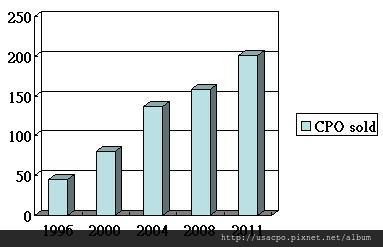
number of CPO vehicles sold in US are increasing dramatically
Number of CPO (Certified Pre-Owned) vehicles sold in USA.
Source: CNW Marketing Research
外匯車 發表在 痞客邦 留言(0) 人氣(737)
